This page contains affiliate links. We may earn a commission if you buy through them, at no cost to you. It never changes our picks. Full disclosure.
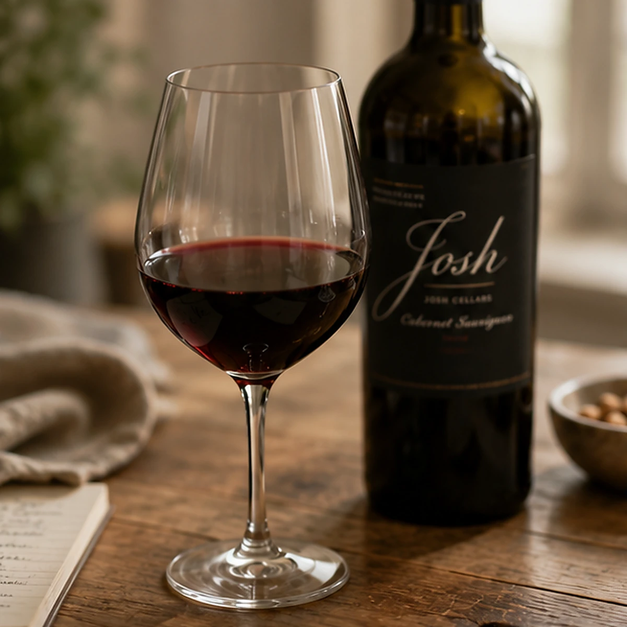
Red wine gets its color and much of its texture from grape skins. The juice ferments with those skins, picking up pigment, flavor, and tannin. Tannin is the drying feeling you notice after strong tea. It is not a sign that a wine is “better.” It is simply part of the wine's shape.
You do not need to memorize regions or vintages to buy well. First decide whether you want something light and juicy, smooth and round, or dark and structured. That single choice narrows the shelf quickly.
Behind the flavor
How the style is made
Red wine ferments with dark grape skins. The longer and more actively juice and skins stay together, the more color, tannin, and flavor can be extracted. Pinot Noir naturally has thinner skins and gentler structure than Cabernet Sauvignon, which is one reason the two grapes feel so different even before a winemaker makes choices.
Oak can add vanilla, toast, cedar, smoke, and extra tannin. Stainless steel or neutral vessels keep fruit more direct. Warm-climate grapes usually ripen toward darker fruit, higher alcohol, and softer acidity. Cooler sites often preserve red fruit, herbs, and freshness.
Age softens some tannin and can turn fresh fruit toward leather, tobacco, earth, or dried herbs. Most affordable red wine is made to taste good now. Do not age a bottle simply because it is red.
Taste map
Find your place on the spectrum
Use this as a starting map, not a set of laws. Climate, winemaking, vintage, and producer can shift any grape. Still, these patterns are dependable enough to help you choose.
| Style | Body | Acidity / tannin | Common flavors |
|---|---|---|---|
| Pinot Noir | Light | Low to medium | Cherry, raspberry, earth |
| Gamay | Light | Low | Strawberry, violet, pepper |
| Grenache | Medium | Medium | Red plum, herbs, spice |
| Merlot | Medium to full | Medium | Plum, cocoa, soft herbs |
| Syrah / Shiraz | Full | Medium to high | Blackberry, pepper, smoke |
| Cabernet Sauvignon | Full | High | Cassis, cedar, dark cherry |
The bottles you will meet
8 styles worth knowing
Pinot Noir
Silky, fresh, and red-fruited rather than heavy.
- Where to look
- Look to Oregon, California’s cooler coast, Chile, or Burgundy.
- Bring to the table
- Salmon, roast chicken, mushrooms, pork, or lentils.
Gamay
Light, juicy, floral, and often delightfully chillable.
- Where to look
- Beaujolais is the classic home. Cru Beaujolais adds depth.
- Bring to the table
- Charcuterie, burgers, picnic food, or weeknight pasta.
Grenache
Warm red fruit, gentle spice, and a generous texture.
- Where to look
- Spain may label it Garnacha. Southern France uses it in blends.
- Bring to the table
- Lamb, grilled vegetables, tomato dishes, or barbecue.
Merlot
Plush plum fruit with moderate tannin and an easy middle.
- Where to look
- Washington State and Chile offer strong value.
- Bring to the table
- Meatloaf, roast beef, burgers, or mushroom dishes.
Malbec
Dark plum and blackberry with a smooth, generous middle.
- Where to look
- Argentina is the classic starting point. Cahors is firmer and more savory.
- Bring to the table
- Steak, burgers, empanadas, or smoky grilled vegetables.
Syrah / Shiraz
Dark fruit, pepper, savory spice, and sometimes smoke.
- Where to look
- Syrah often signals a savory style. Shiraz can be riper.
- Bring to the table
- Sausage, ribs, lamb, eggplant, or pepper-crusted steak.
Cabernet Sauvignon
Dark, structured, and built around firm tannin.
- Where to look
- California, Washington, Chile, and South Africa all deliver.
- Bring to the table
- Steak, short ribs, aged cheese, or grilled portobello.
Zinfandel
Ripe berry fruit, baking spice, and a warm, generous finish.
- Where to look
- California is its modern home. Look for Old Vine when you want extra depth.
- Bring to the table
- Barbecue, pizza, burgers, or sweet-and-smoky sauces.
Make the guide personal
Match the style to your MyWineMatch profile
Your profile is a shortcut, not a box. Use it to choose a first bottle, then adjust by noticing whether you want more freshness, fruit, richness, sweetness, or structure next time.
Bold Explorer
Cabernet Sauvignon, Syrah, and Malbec bring dark fruit, structure, and intensity.
Smooth Classic
Merlot, Grenache, and Zinfandel favor ripe fruit and a rounder texture.
Elegant Minimalist
Pinot Noir and Gamay keep the body lighter and the finish fresh.
Each of these profiles has a page of its own, with its grapes, real bottles in three price bands, and one honest drawback: The Bold Explorer, The Smooth Classic and The Elegant Minimalist.
No scorecard needed
How to taste what is actually in your glass
You are not trying to identify a secret list of aromas. You are noticing structure: the parts that determine whether a wine feels refreshing, soft, powerful, or balanced to you.
Look once
Color can suggest age, grape, or production, but it is a supporting clue. Brightness and clarity matter less than whether the wine smells and tastes healthy.
Smell for families
Ask broad questions: citrus or dark fruit? Fresh flowers, dried herbs, toast, earth, or spice? A family is more useful than forcing an exact fruit.
Notice the shape
Is it light or full? Tart or soft? Drying, creamy, bubbly, or sweet? These structural impressions are the easiest to remember and the most useful when buying again.
Decide in plain language
“Too sharp,” “love the silky texture,” and “great with the burger” are valid tasting notes. Record what you would want more or less of next time.
Taste changes with temperature, food, glassware, and time open. If a bottle seems muted, let it warm or breathe for ten minutes. If it feels heavy, cool it slightly. Small adjustments can reveal a different wine.
At the table
Pair by weight, then by contrast
Match the weight of the wine to the weight of the dish. Then decide whether you want similar flavors or a refreshing contrast. Salt welcomes acidity, fat softens structure, and a little sweetness can calm heat.
| Dish | Wine | Why it works |
|---|---|---|
| Roast chicken | Pinot Noir | Freshness for the skin, soft tannin for the meat. |
| Cheeseburger | Gamay or Merlot | Juicy fruit meets salt and char without overpowering. |
| Steak | Cabernet Sauvignon | Tannin softens beside fat and protein. |
| Tomato pasta | Sangiovese or Grenache | Bright acidity keeps pace with the sauce. |
| Mushroom risotto | Pinot Noir | Earthy flavors echo without adding heaviness. |
| Barbecue ribs | Shiraz | Ripe fruit and pepper stand up to smoke and sweetness. |
When the meal has several flavors, pair with the sauce or dominant seasoning rather than the protein. A lemony chicken and a barbecue chicken need different wines.
Open the full food and wine pairing guide →At the wine shop
How to shop the shelf
Set a real budget and describe the occasion before naming a score. “I need something fresh and not too heavy for tacos, around $20” gives a good retailer far more to work with than “What is your best bottle?”
For lighter style
Look for Pinot Noir, Gamay, Frappato, Schiava, or 12–13.5% ABV.
For a softer middle
Try Merlot, Grenache, Montepulciano, or a red blend described as supple.
For full and structured
Cabernet Sauvignon, Syrah, Malbec, and warm-region blends are useful lanes.
For less oak
Choose unoaked language, fresh/juicy descriptions, or regions known for lighter handling.
Region can offer value. Famous names often carry a premium, so ask for a neighboring place or less fashionable grape with a similar shape. Avoid assuming an award sticker or heavy bottle means better wine. Both are marketing signals, not palate matches.
Photograph bottles you like, including the back label. Producer, grape, region, vintage, and alcohol level make a useful record. After three or four examples, your own pattern becomes more reliable than a generic shelf ranking.
Small details, real difference
Serve it at its most expressive
| Situation | What to do |
|---|---|
| Light reds | 55–60°F: 20 minutes in the fridge before serving |
| Medium reds | 58–62°F: a short chill keeps the fruit lively |
| Full reds | 60–65°F: open 20–45 minutes before pouring |
| Leftovers | Recork, refrigerate, and drink within 3–4 days |
A standard all-purpose wine glass is enough. Clean glassware, the right temperature, and a moment of air matter far more than owning a separate shape for every grape.
Choose for the moment, not only the meal
An aperitif needs energy and does not need to carry the whole evening. A bottle for a long dinner can be more structured, because food and time will soften it. A party wine should be easy to understand across different palates and still taste good when someone forgets the ideal serving temperature.
For a gift, recognizable style and clear presentation are often more useful than an adventurous grape the recipient has never mentioned. For learning, do the opposite: compare two bottles with one controlled difference, such as the same grape from a cool and warm region. Side-by-side tasting makes body, fruit, acidity, and oak much easier to notice.
Season can influence what feels appealing, but it is not a rule. Lighter, high-acid bottles are refreshing in warm weather. Fuller textures can feel comforting in winter. Temperature, dish, and mood matter more than calendar permission. Rosé in January and chilled red in July are both completely reasonable.
When you bring a bottle to someone else's table, send a quick message rather than guessing the menu. If it will not be opened that night, choose something stable and versatile and let the host decide when it fits. Wine is a gift, not an assignment.
For a crowd
Favor freshness, moderate alcohol, and a familiar flavor shape.
For discovery
Change one variable and keep the other clues close enough to compare.
For a gift
Match the recipient's stated taste, not the bottle you hope they should like.
For the cellar
Ask whether the specific wine is built to age. Most everyday bottles are not.
Three useful shelves
What to buy at three budgets
Under $15
Côtes du Rhône or Chilean Merlot
Reliable fruit, savory detail, and easy availability.$15–25
Oregon Pinot Noir or Cru Beaujolais
More aromatic lift and a versatile dinner-table shape.$25–40
Washington Cabernet or northern Rhône Syrah
More structure and detail without luxury pricing.About these prices and availability *
Prices are typical US shelf prices and change after publication. Selection varies by state, by retailer and by vintage, so a specific bottle may be unavailable where you shop. Treat these as style targets, not a promise about one listing. Full detail
Three buying mistakes to skip
First, do not buy only by label design. Second, do not save every “good” bottle for a future perfect occasion. Most everyday wine is meant to be enjoyed young. Third, do not mistake intensity for quality. A quiet, precise wine can be just as satisfying as a powerful one.
If a recommendation misses, identify the direction of the miss: too sweet, too tart, too drying, too boozy, too light, or too oaky. That information turns a disappointing bottle into a much better next purchase.
Plain answers
Frequently asked questions
Is red wine supposed to be served at room temperature?
No. That advice came from cooler rooms. Most modern homes are too warm. Aim for about 55–65°F, depending on the wine's body.
What is the smoothest red wine for a beginner?
Merlot, Grenache, and ripe Pinot Noir are friendly starts because their tannins are usually gentler than young Cabernet Sauvignon.
Does expensive red wine taste better?
Not automatically. Higher prices may buy rarity, aging, or prestige. In the $15–30 range, style fit matters more than status.
Why does red wine make my mouth feel dry?
That is tannin, mostly from grape skins and seeds. Protein-rich food softens it, which is why structured reds work well with meat or firm cheese.