
If you learn one wine word, learn this one. Tannin explains why some reds feel harsh to you, why steak and Cabernet is a famous pairing, why certain wines age for decades, and why “I do not like red wine” is almost always a misdiagnosis.
It is also easy to understand, because you have already tasted it many times without knowing the name.
What tannin actually feels like
Forget flavor for a moment. Tannin is something you feel, not something you taste.
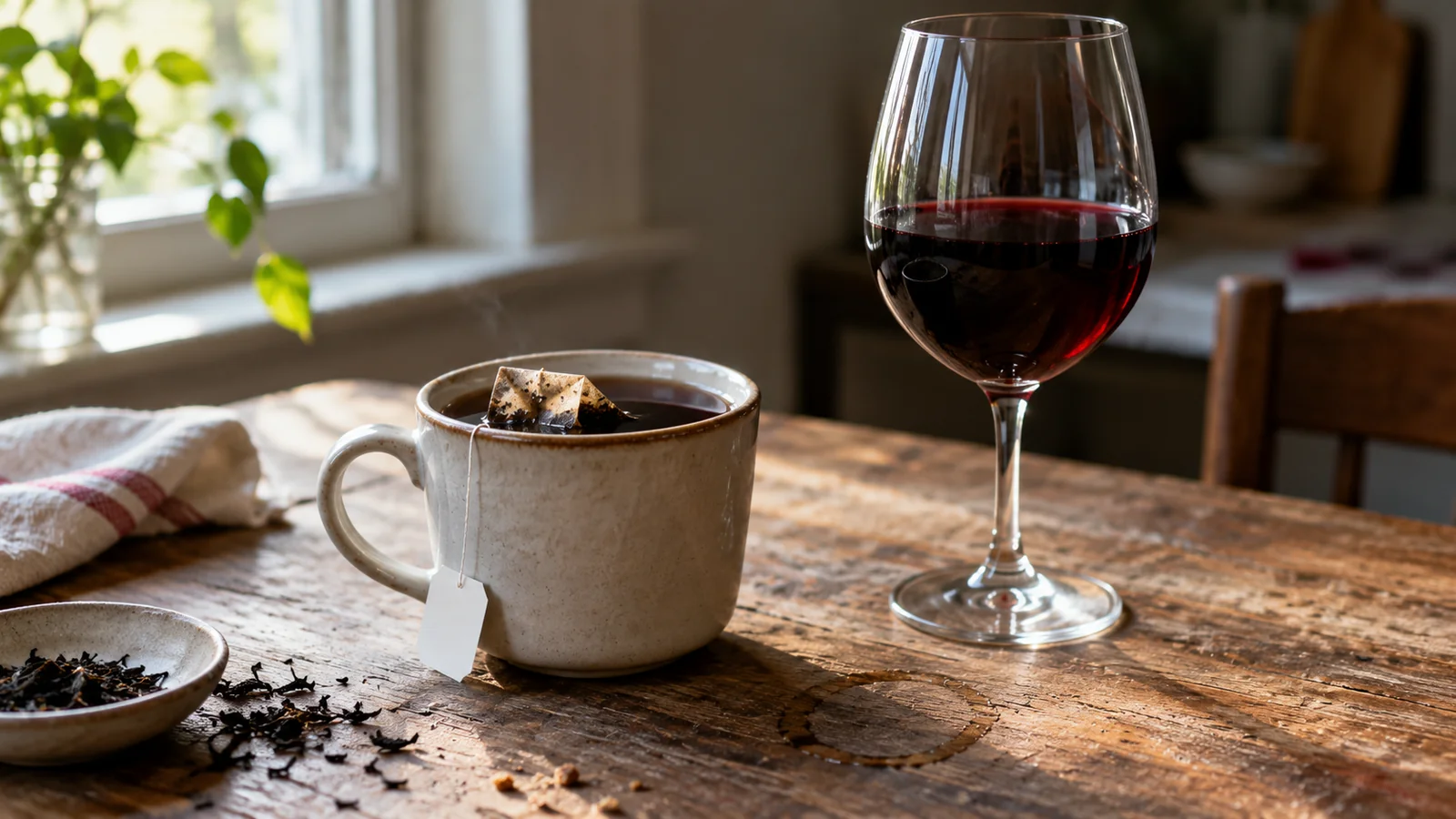
The clearest example has nothing to do with wine: brew a cup of black tea and leave the bag in for ten minutes. Take a sip. That drying, puckering, slightly rough sensation that makes your tongue feel like it is sticking to the roof of your mouth is tannin. Tea leaves are full of it.
Other places you have met it: the skin of a walnut, an unripe banana, dark chocolate over about 80 percent, the pith of a grapefruit.
Once you recognize that sensation, you can identify tannin in wine instantly, and you will start noticing how much it varies from bottle to bottle.
Where tannin comes from
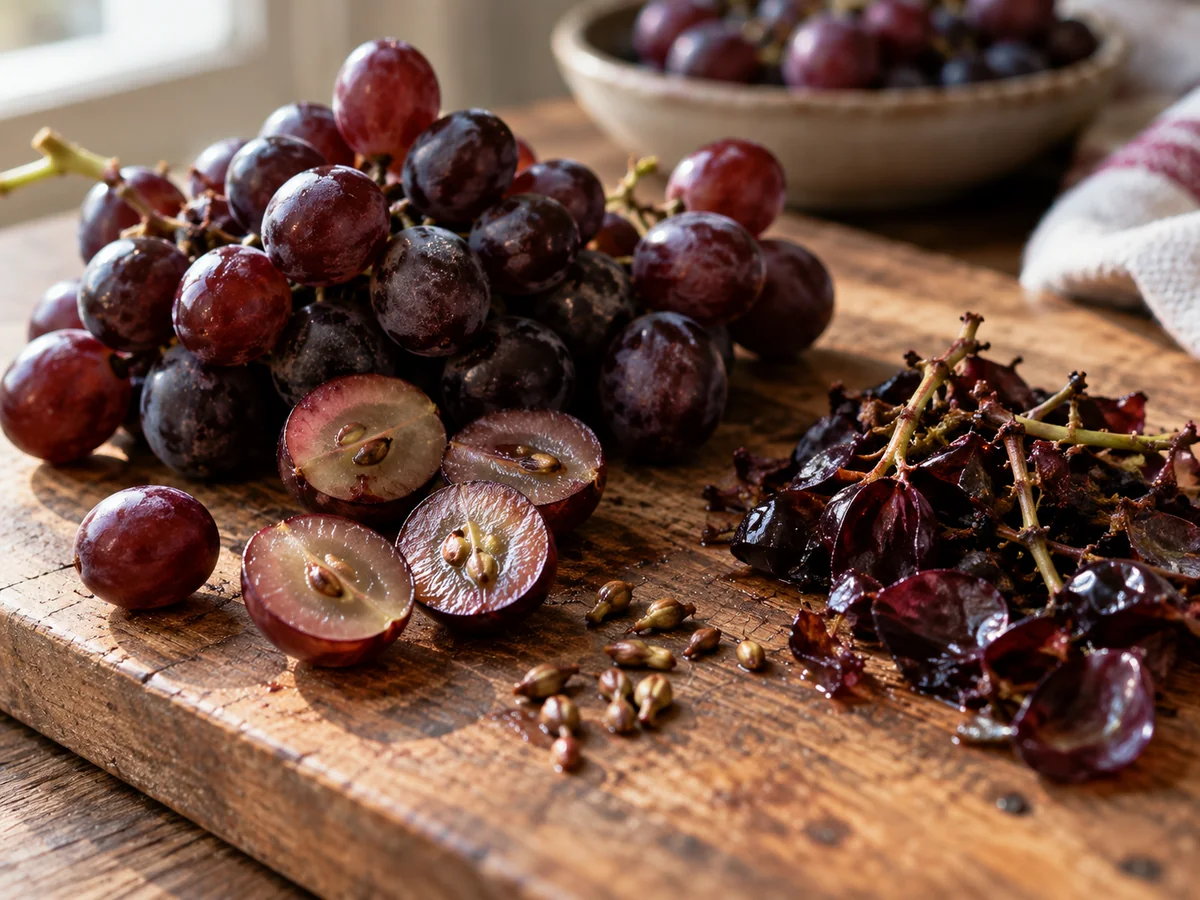
Tannin lives in the parts of the grape that are not juice: the skins, the seeds and the stems. It also comes from oak barrels, which is why heavily oaked wines can feel firmer.
This explains the single biggest difference between red and white wine. Red wine ferments in contact with the grape skins, which is where it gets both its color and its tannin. White wine is usually pressed away from the skins before fermentation, so it has color, but almost no tannin.
Rosé sits in between, with just a few hours of skin contact, which is why it is pink and why it has only a whisper of grip. Our rosé guide covers that process in more detail.
Why tannin exists at all
Two reasons, one useful to the plant and one useful to you.
For the grape: tannin is a natural defense, making unripe fruit unpleasant to eat so seeds are not spread before they are ready.
For the wine: tannin is a preservative. It is a major reason certain reds can age for decades while most whites cannot. As a tannic wine ages, the tannins gradually soften and integrate, which is what people mean when they say a wine has “come around.”
High tannin vs low tannin: the practical map
| Tannin level | Grapes | Feels like | Best with |
|---|---|---|---|
| High | Cabernet Sauvignon, Nebbiolo, Syrah, Tannat | Firm, drying, structured | Fatty steak, aged cheese, rich stews |
| Medium | Merlot, Malbec, Sangiovese, Tempranillo | Present but rounded | Burgers, pasta, roast meats |
| Low | Pinot Noir, Gamay, Grenache | Soft, silky, easy | Salmon, chicken, mushrooms, on its own |
| Almost none | Nearly all white wine, rosé | No grip at all | Anything light and fresh |
If you have ever pushed away a glass of red thinking you dislike red wine, look at that table again. You almost certainly met a high tannin wine without food. Try a Pinot Noir or a Gamay instead and the experience changes completely.
The one thing tannin is not
Tannin is not bitterness, and it is not dryness in the sugar sense.
This trips up a lot of people. In wine, “dry” means “not sweet,” which is about sugar content. Tannin creates a physically drying sensation in your mouth, which is a completely different thing. A wine can be dry with no tannin at all, like Sauvignon Blanc, or sweet with plenty of tannin, like some Ports.
Bitterness is also different. Some tannic wines taste bitter, but the grip itself is texture, not taste. Our wine for beginners guide untangles the rest of the vocabulary.
Why tannin loves fat
Here is the mechanism behind the most famous pairing in food.
Fat coats your palate. Tannin cuts through it. Put them together and each softens the other: the wine tastes smoother than it did alone, and the food tastes cleaner. Then the next bite arrives as vividly as the first instead of drowning in richness.
That is why Cabernet and ribeye is a cliché that earned its status, and why the same Cabernet can feel harsh when you sip it alone before dinner. The wine has not changed. The context has.
It also explains a pairing rule worth remembering: high tannin plus spicy food is a bad idea. Tannin and alcohol both amplify capsaicin heat, so a big red makes a curry hotter and the wine harsher. Low tannin wines, or a touch of sweetness, work far better. Our food and wine pairing guide covers the full system.
How to soften tannin in a wine you already opened
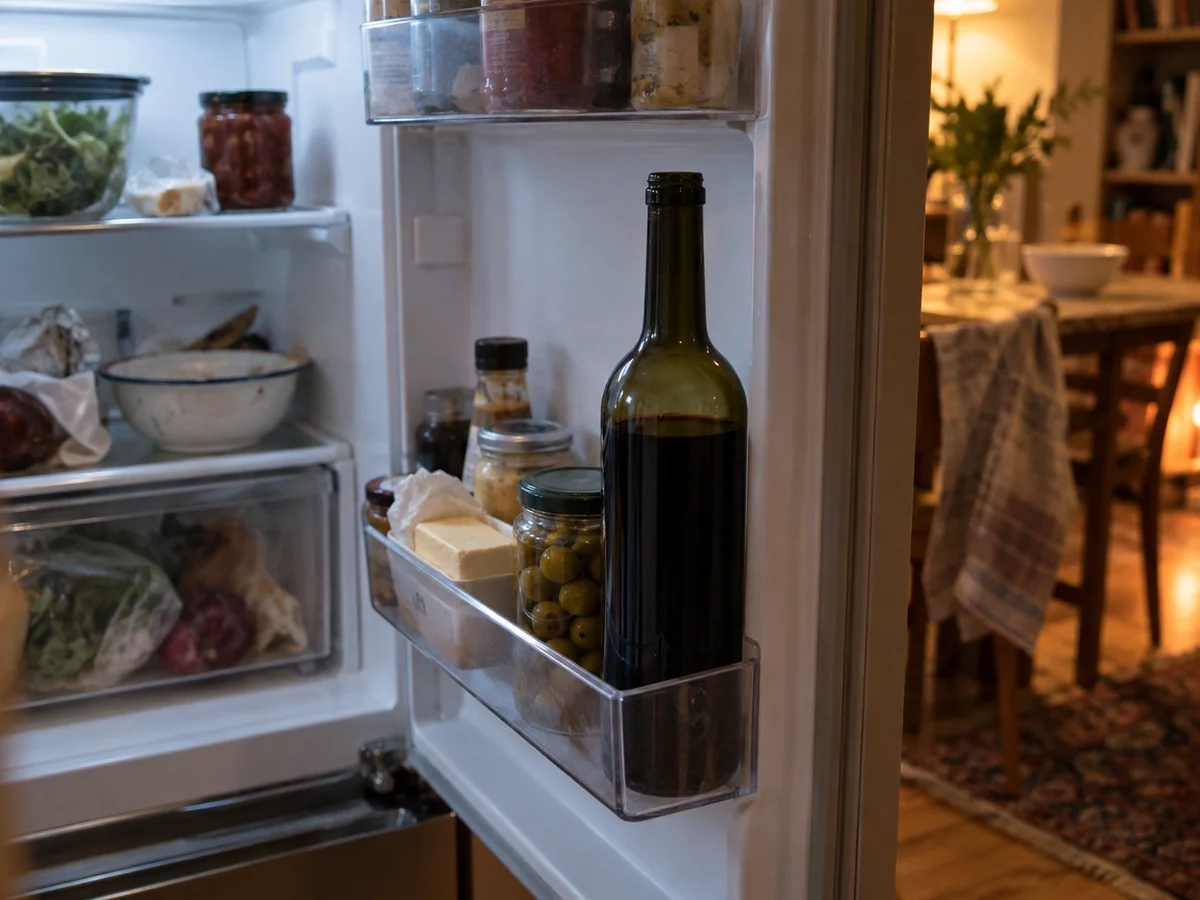
Four things genuinely help.
Serve it slightly cool. Warm temperatures make tannin feel harsher. Fifteen minutes in the fridge before serving is the single most effective fix, and it costs nothing.
Give it air. Twenty to thirty minutes of oxygen softens young, tannic reds noticeably. Pour into glasses or a jug. You do not need a decanter.
Eat something fatty with it. Cheese, olives, charcuterie, or just wait for dinner.
Let the bottle age, if it is worth ageing. Tannin softens over years. This only applies to wines built for it, which is a small minority of what most of us drink.
Do you actually like tannin?
The fastest way to know is not to taste wine at all. It is to look at what you already consume.
If you drink coffee black, eat dark chocolate above 80 percent, and like strong black tea, you probably enjoy tannin and will feel at home with Cabernet, Syrah and Nebbiolo.
If you take milk in your coffee, prefer milk or white chocolate, and find strong tea harsh, you will likely be happier with Pinot Noir, Gamay, Grenache, or with white wine and rosé.
That is exactly the logic our free quiz runs on. Seven questions about everyday tastes, 60 seconds, and you get your wine profile with the grapes that suit it.
FAQ
What does tannin taste like?
Tannin is not really a taste, it is a texture. It creates a drying, slightly grippy sensation on your tongue, the same feeling as over steeped black tea or the skin of a walnut.
Which wines have the most tannin?
Cabernet Sauvignon, Nebbiolo (the grape of Barolo), Syrah and Tannat are among the most tannic. Young versions feel firmer than older ones, since tannin softens with age.
Which red wines have the least tannin?
Pinot Noir, Gamay (the grape of Beaujolais) and Grenache are the softest widely available reds. If bold reds have felt harsh to you, these are the ones to try next.
Does white wine have tannin?
Very little, because white wine is usually made without grape skin contact. Some skin contact whites, sometimes called orange wines, do have noticeable tannin, but they are a niche style.
How do you reduce tannin in wine?
Serve it slightly cool, give it 20 to 30 minutes of air, and drink it with fatty food. All three genuinely soften the perception of tannin in the glass.
Is tannin the same as dry wine?
No, and this is the most common confusion in wine vocabulary. Dry means the wine contains little or no sugar. Tannin creates a physically drying sensation in your mouth. A wine can easily be dry with zero tannin, like Sauvignon Blanc.
The short version
Tannin is the drying grip you feel from grape skins, and it is texture rather than flavor. It is why big reds want fatty food, why some reds feel harsh on their own, and why certain wines age. Learn to notice it, decide whether you enjoy it, and half of red wine sorts itself out.
Want the rest of the picture? Our red wine guide covers the eight grapes that matter and where each sits on the tannin scale.
If you would rather have someone else learn your tannin tolerance for you, that is roughly what Firstleaf does. You rate what you drink and the next box adjusts.
If you would rather browse than search, we keep every guide in one place.

Please drink responsibly. This site is intended for adults 21 and over.