This page contains affiliate links. We may earn a commission if you buy through them, at no cost to you. It never changes our picks. Full disclosure.
Twenty dollars is the most interesting price point in red wine. Below about $8 quality gets unreliable. Above $25 the improvements turn subtle for most palates. In between sits a band where careful producers make genuinely excellent wine, and where a good pick regularly outperforms bottles at twice the price.
The catch is that this shelf is also crowded with forgettable bulk wine in handsome packaging. Here is how to tell them apart, plus twelve bottles worth your money.
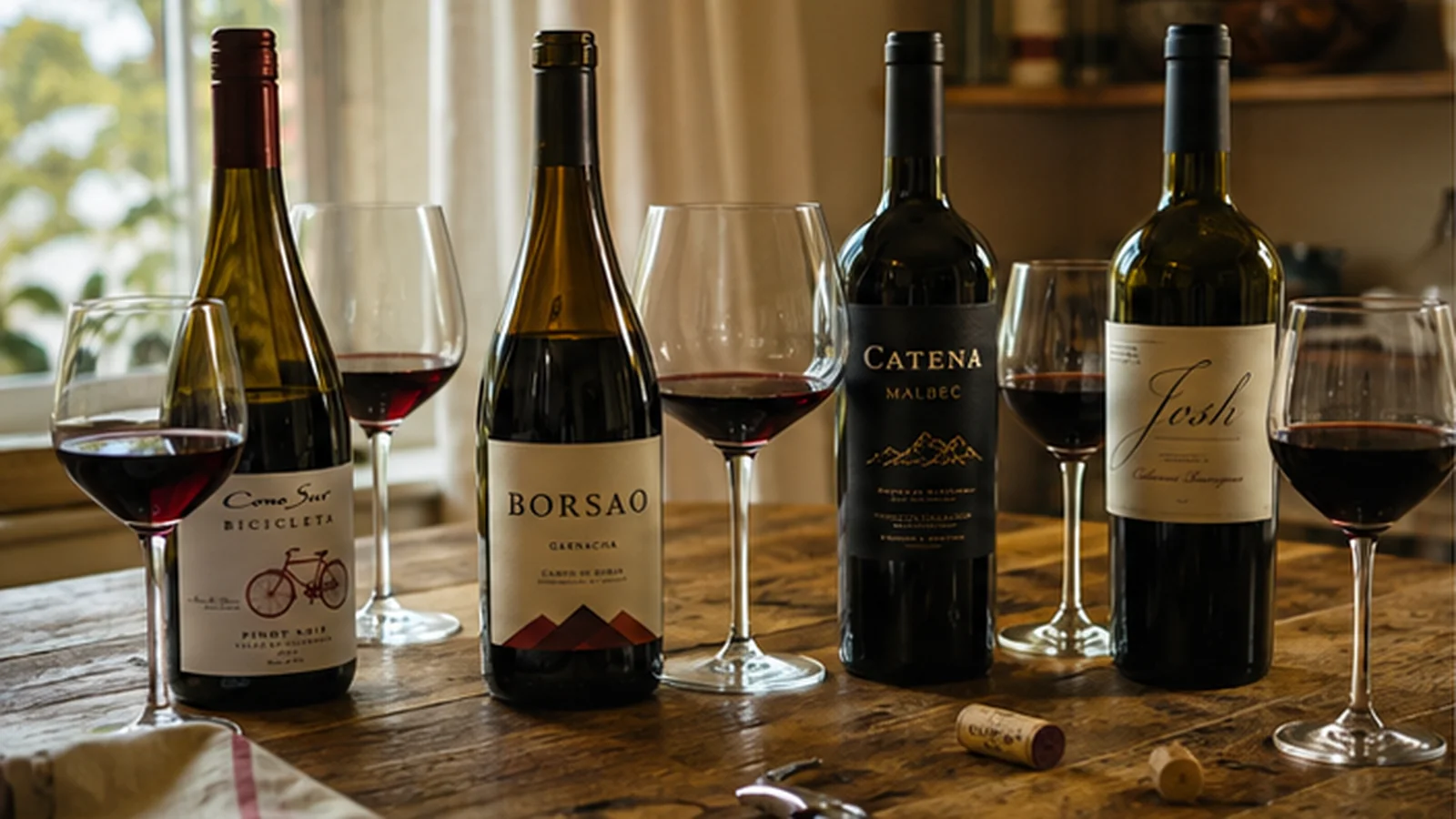
Quick answer: For smooth and easy, Columbia Crest Grand Estates Merlot. For bold and rich, Catena Malbec. For best pure value, Borsao Garnacha at around $10. For impressing guests without overspending, Beaujolais-Villages or a good Côtes du Rhône. All are widely available and reliably good.
Best red wines under $20 at a glance
| Bottle | Style | Roughly | Best for |
|---|---|---|---|
| Borsao Garnacha | Juicy, medium | ~$10 | Pure value |
| Bogle Old Vine Zinfandel | Bold, jammy | ~$10 | BBQ and burgers |
| Columbia Crest Grand Estates Merlot | Smooth, medium | ~$11 | Red wine skeptics |
| Trapiche Oak Cask Malbec | Dark, plush | ~$12 | Steak night on a budget |
| Côtes du Rhône (various) | Savory, medium | $15 to $20 | Dinner parties |
| Beaujolais-Villages | Light, bright | $15 to $16 | Summer and salmon |
| Cono Sur Organic Pinot Noir | Light, silky | ~$13 | Beginners |
| Catena Malbec | Bold, polished | $18 to $22 | The reliable upgrade |
| Chianti Classico (entry level) | Savory, acidic | $18 to $20 | Pasta and pizza |
| Rioja Crianza | Smooth, oaked | ~$15 | Crowd pleasing |
| Peter Lehmann Portrait Shiraz | Bold, peppery | $15 to $18 | Big flavor lovers |
| Montepulciano d’Abruzzo | Easy, dark | ~$10 | Weeknight house red |
About these prices and availability *
Prices are typical US shelf prices and change after publication. Selection varies by state, by retailer and by vintage, so a specific bottle may be unavailable where you shop. Treat these as style targets, not a promise about one listing. Full detail
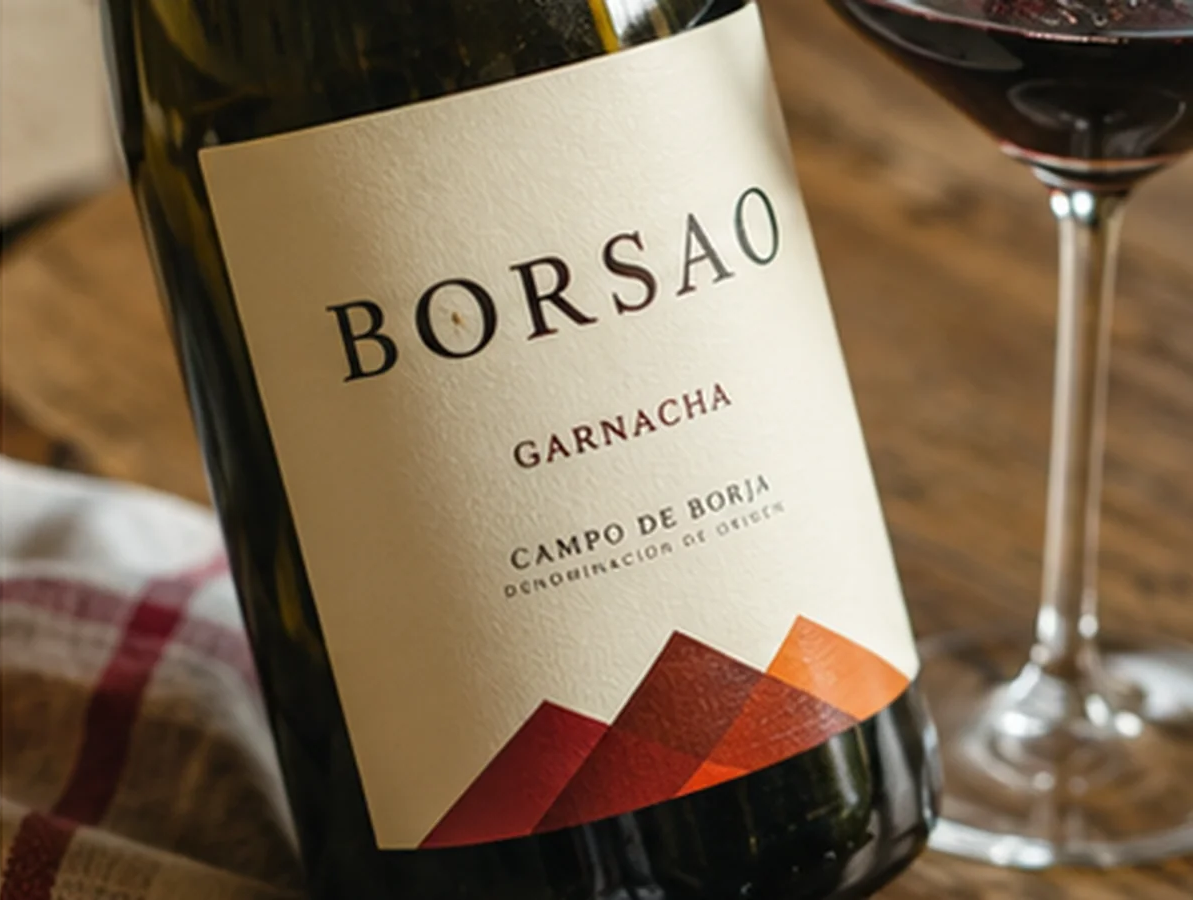
Best for pure value: Borsao Garnacha, around $10
Spain’s Campo de Borja region grows old vine Garnacha at prices that make no sense in the buyer’s favor. Expect ripe strawberry and raspberry, soft tannin and a warm, mellow finish. It drinks like a wine at twice the price, and it is forgiving enough to please almost any table.
Honest drawback: it is not complex. This is a delicious, straightforward wine, not one that rewards contemplation.
Pair with: burgers, roast chicken, pizza, cheese boards.
Browse Spanish Garnacha at Wine.com
Best for red wine skeptics: Columbia Crest Grand Estates Merlot, around $11
If big reds have felt harsh to you, this is the correction. Washington State Merlot is plummy, round and smooth, with soft tannin that never grips. Merlot spent two decades being unfairly mocked, and bottles like this are why the mockery was always wrong.
Honest drawback: its easygoing nature is exactly what bores people who want intensity. If you love bold, look further down this list.
Pair with: roast chicken, mushroom pasta, mild cheeses, weeknight anything.
Best bold red on a budget: Trapiche Oak Cask Malbec, around $12
Argentine Malbec is the most beginner friendly of the big reds: dark and plush, with velvet edges rather than the aggressive grip some powerful wines carry. Trapiche’s Oak Cask bottling delivers blackberry, a hint of vanilla and enough weight to handle serious food.
Honest drawback: the oak influence is noticeable. If you dislike vanilla and toast notes, choose an unoaked Malbec instead.
Pair with: steak, BBQ ribs, aged cheddar, dark chocolate.
Best for beginners: Cono Sur Organic Pinot Noir, around $13
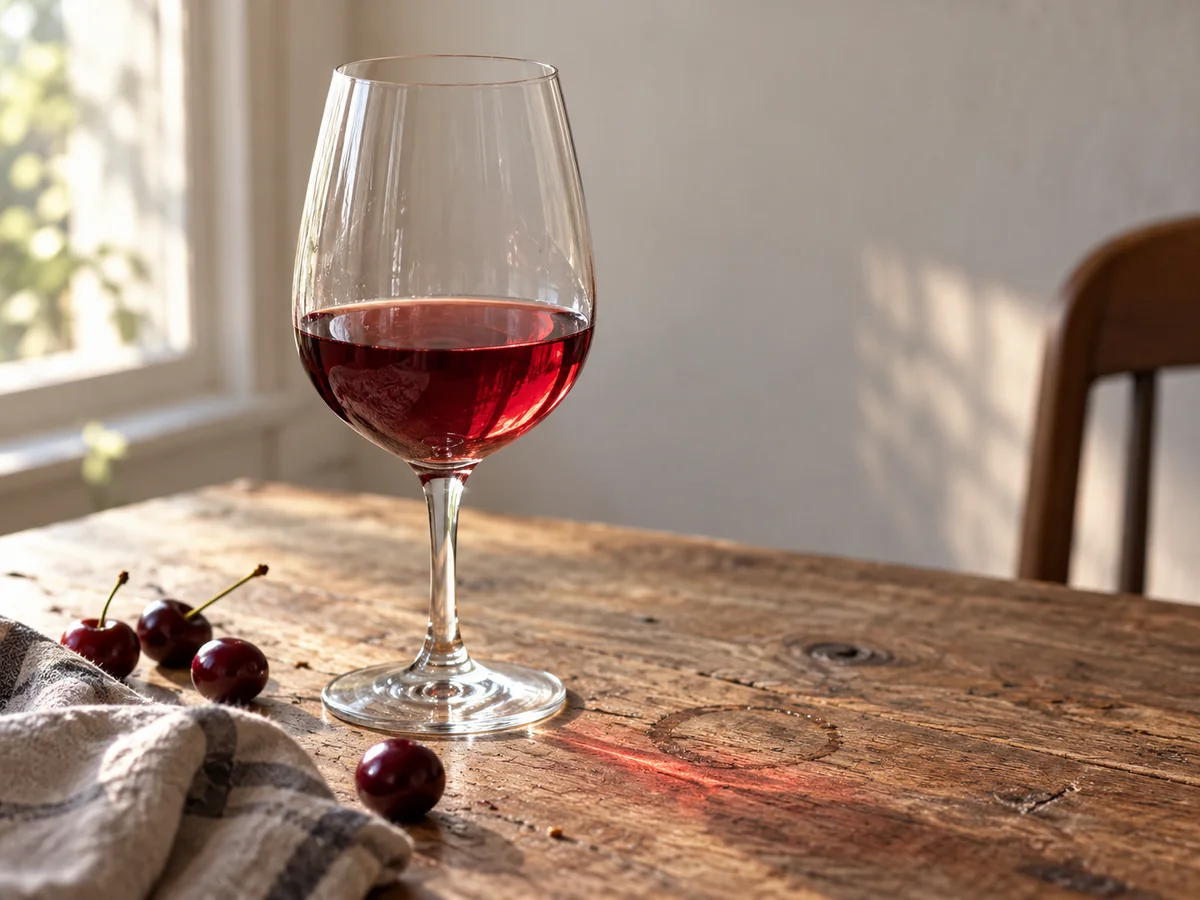
Pinot Noir is the friendliest red on earth, and Chile makes the most affordable good examples. Silky texture, red cherry fruit, very low tannin. If you have ever pushed away a red wine because it felt drying or bitter, start here.
Honest drawback: cheap Pinot Noir is often thin, and this is a light wine by nature. Do not expect power.
Pair with: salmon, roast chicken, mushrooms, charcuterie.
Browse Cono Sur Pinot Noir at Wine.com
Best for BBQ and bold flavors: Bogle Old Vine Zinfandel, around $10
Jammy blackberry, a peppery kick and generous ripe fruit. Zinfandel is California’s crowd pleaser, and Bogle’s old vine bottling is the benchmark at this price. It has the sweetness of fruit without actually being sweet, which is exactly what smoky, saucy food wants.
Honest drawback: the ripe, jammy style is not subtle, and higher alcohol makes it a poor match for spicy food.
Pair with: BBQ, ribs, pulled pork, burgers, sharp cheese.
Best for looking like you know wine: Côtes du Rhône, around $15 to $20
Here is the move that impresses people who know wine, at a price that does not: a good Côtes du Rhône. Grenache and Syrah blended into something savory, herbal and food loving. It reads as serious French wine because it is, minus the famous village name and the markup.
Honest drawback: quality varies more by producer than with a branded wine, so it is worth asking a shop for their recommendation rather than grabbing the first bottle.
Pair with: lamb, stews, roasted vegetables, hard cheeses.
Best light red: Beaujolais-Villages, around $15 to $16
Gamay is the insider’s answer to “what red can I drink in summer?” Bright cherry, floral aromatics, almost no tannin, and it is genuinely good slightly chilled. Serve it 20 minutes out of the fridge and it transforms a warm evening.
Honest drawback: it is delicate, so it disappears next to heavy food. Match it to lighter dishes.
Pair with: salmon, charcuterie, pizza, picnic food.
Best worth stretching to $18 to $22: Catena Malbec
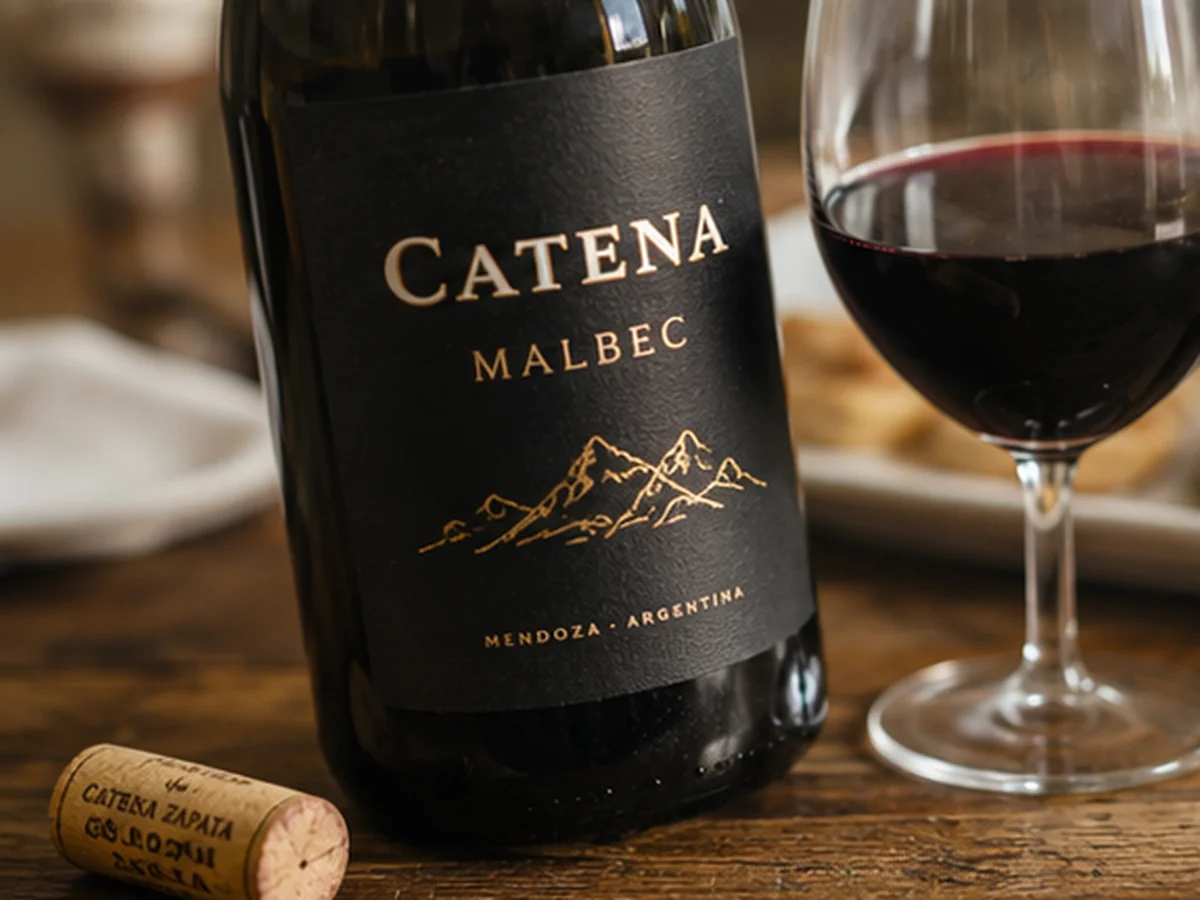
If you spend once at the top of this range, spend it here. Catena is the benchmark Argentine Malbec: dark, polished, structured, and considerably more refined than the price suggests. This is the bottle to bring when you want to be sure.
Honest drawback: at $18 it competes with the lower end of genuinely premium wine, so it feels less like a bargain than the $10 picks.
Pair with: steak, lamb, hearty pasta, aged cheese.
Browse Catena Malbec at Wine.com
How to spot a good cheap red on your own
You will not always have a list. Four signals that separate a good sub $20 bottle from a forgettable one:
Look for a specific region, not a country. “Product of Chile” says little. “Colchagua Valley” says the producer cared enough to name the place. Specificity generally rises with quality.
Check the alcohol. Under 13.5% suggests a lighter, fresher style. Over 14% suggests bold and ripe. Neither is better, but it tells you what you are getting before you pay.
Favor unfashionable regions. Fame costs money. Spanish Garnacha, Portuguese reds, Southern French blends and Chilean wines all deliver more per dollar than famous names, purely because nobody is paying for the reputation.
Ignore medals and “reserve”. In the US, “reserve” is unregulated marketing. Medals come from more competitions than you would believe. Neither predicts whether you will like the wine.
Which of these suits you?
The twelve bottles above span light to bold, smooth to structured. Which ones you will love depends entirely on your palate, and you already know your palate even if you cannot describe it yet.
Our free quiz translates it: seven questions about coffee, chocolate and dinner, 60 seconds, and you get your wine profile plus the specific grapes matched to it.
If bold and structured is what you want, the The Bold Explorer profile covers Malbec, Zinfandel and Syrah with real bottles in three price bands. If you would rather stay soft and rounded, The Smooth Classic covers Merlot, Grenache and a riper Pinot Noir.
FAQ
What is the best cheap red wine that does not taste cheap?
Spanish Garnacha, especially Borsao at around $10, delivers the biggest gap between price and quality. Chilean Pinot Noir and Portuguese reds run a close second, all for the same reason: the region is not fashionable enough to charge a premium.
How much should you spend on a bottle of red wine?
For everyday drinking, $12 to $20 is the sweet spot. Quality climbs noticeably from $8 to about $20, then improvements become subtle for most palates. Spending the savings on trying more different bottles teaches you more than one expensive bottle will.
What is the smoothest red wine under $20?
Merlot, particularly from Washington State or Chile, followed by Pinot Noir and Spanish Garnacha. All three are low tannin, which is what “smooth” usually means in practice.
What red wine goes with everything?
Grenache, Merlot and Pinot Noir are the most food flexible reds. If you need one bottle for a table with mixed dishes, a medium bodied Grenache or a Côtes du Rhône blend covers the most ground.
Are expensive red wines actually better?
Up to a point. Quality rises reliably from $8 to about $20. Above that you increasingly pay for scarcity, region and prestige, and blind tastings regularly embarrass expensive bottles. A $15 red you love beats a $60 red you do not.
Should red wine be chilled?
Give any red 15 minutes in the fridge before serving. Room temperature in most American homes is too warm, which makes red taste flat and boozy. Lighter reds like Beaujolais can take 30 minutes. It costs nothing and improves every bottle.
Your next bottle
Twelve bottles, none over $20, all of them genuinely worth drinking. Buy two that sound different from each other, taste them across a week, and notice which one you finish first. That is your palate telling you something useful.
Want the full picture on reds, from the grapes to the serving tricks? Our red wine guide covers it all.
Buying one of these as a present rather than for yourself? Our wine gifts by taste type guide matches the bottle to the person, starting from habits you already know about them.

Please drink responsibly. This site is intended for adults 21 and over.