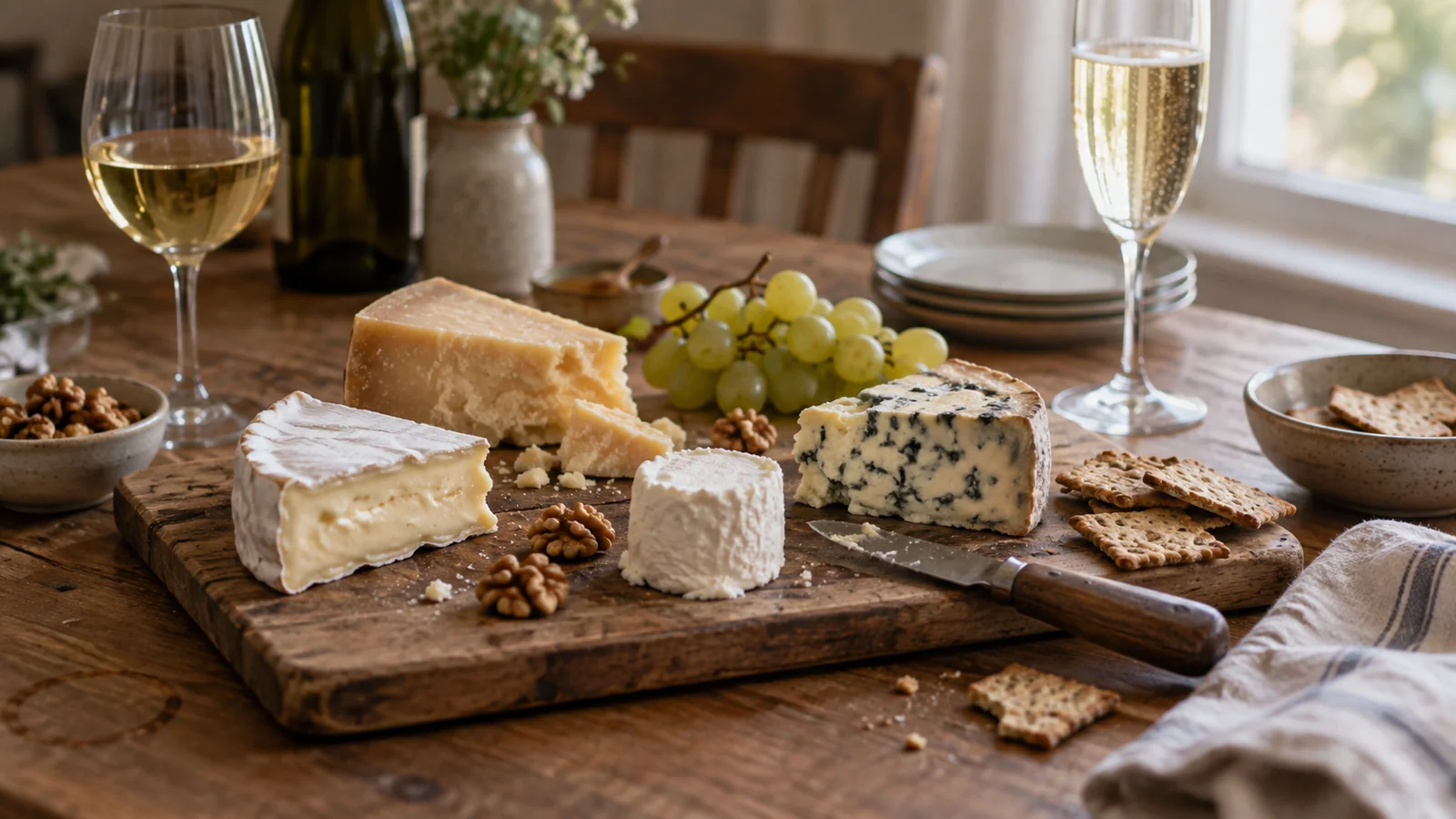
Wine and cheese is the most assumed pairing in food and one of the most frequently got wrong. The default move, a big red with a cheese board, works far less often than people think. Powerful tannic reds actually clash with a surprising number of cheeses, while the wines that shine are the ones nobody reaches for.
Here is what actually works, and why.
The three rules that do the work
1. Match the intensity. A delicate fresh goat cheese is destroyed by a powerful red, and a mild wine disappears next to an aged, pungent cheese. Pair gentle with gentle and strong with strong.
2. Acidity cuts fat. Cheese is fatty, and high acid wine refreshes your palate between bites. This is the main reason white wine so often outperforms red on a cheese board: whites generally have more acidity and no tannin to get in the way.
3. Salt loves sweetness. Salty cheese and a touch of sweetness in the wine is a genuinely spectacular combination, and it reaches its peak with blue cheese and a sweet wine. This is the one pairing on this page that turns skeptics into believers.
There is a fourth idea worth knowing: what grows together goes together. Regional pairings work because centuries of local eating did the testing. Sancerre with Loire goat cheese, Chianti with Pecorino, Rioja with Manchego.
Why big reds are often the wrong choice
The classic image is a bold red beside a cheese platter, and it is frequently a mismatch.
Tannin, the drying grip in red wine, binds with proteins. With a fatty steak that is exactly what you want, since the fat softens the tannin and the tannin cuts the fat. But many cheeses, especially fresh, soft and very salty ones, interact badly with tannin, producing a metallic or bitter impression.
That does not mean red wine is banned. It means choose low tannin reds: Pinot Noir, Gamay, Grenache. Save your Cabernet for hard aged cheeses like a proper aged cheddar or an old Gouda, where it genuinely shines.
The pairing chart
| Cheese | Best wine | Why |
|---|---|---|
| Fresh goat cheese | Sauvignon Blanc, Sancerre | The classic. Herbal, zesty wine mirrors the tangy cheese |
| Mozzarella, burrata | Prosecco, Pinot Grigio, dry rosé | Delicate cheese wants a light, fresh wine |
| Brie, Camembert | Champagne, Chardonnay, Pinot Noir | Bubbles cut the cream. Soft reds work too |
| Aged cheddar | Cabernet Sauvignon, oaked Chardonnay | Strong enough to meet a powerful wine |
| Young cheddar | Riesling, Grenache | Milder cheese, milder wine |
| Manchego | Rioja, Tempranillo | Regional pairing, and it works |
| Parmesan | Prosecco, Chianti, Champagne | Salty and nutty loves acidity and bubbles |
| Pecorino | Chianti, Sangiovese | Another regional classic |
| Gruyère, Comté | Chardonnay, dry Riesling, Pinot Noir | Nutty and rich, suits both white and light red |
| Gouda, aged | Cabernet, Malbec, tawny Port | Caramel notes meet dark fruit beautifully |
| Blue cheese | Port, Sauternes, sweet Riesling | The legendary contrast. Salt plus sweetness |
| Feta | Sauvignon Blanc, dry rosé | Salty and bright wants crisp and bright |
| Smoked cheeses | Off dry Riesling, Gewürztraminer | Aromatic wine handles smoke well |
The one pairing everyone should try once
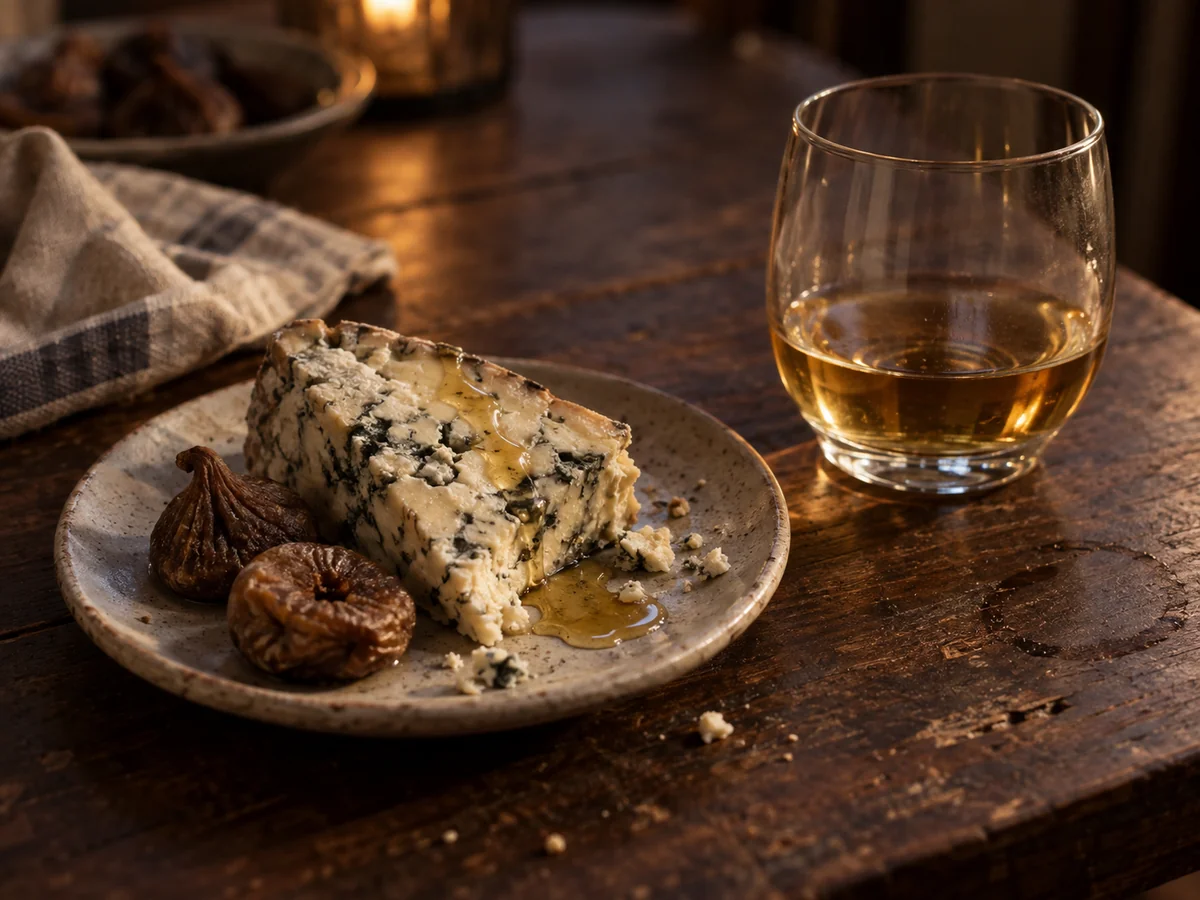
Blue cheese and sweet wine.
It sounds wrong. It is extraordinary. The salt and pungency of a blue cheese meets the sweetness of a dessert wine and both transform: the cheese tastes rounder, the wine tastes cleaner, and the combination is far greater than either half.
The traditional versions are Roquefort with Sauternes, and Stilton with tawny Port. But an inexpensive sweet Riesling with any decent blue works well enough to demonstrate the principle. If the idea of a sweet wine puts you off, our guide to whether Riesling is sweet explains why sweetness is a preference rather than a beginner mistake.
If you have ever wondered what people mean when they say a pairing can be genuinely revelatory rather than merely fine, this is the one to try.
Building a cheese board with one bottle
Most cheese boards contain three to five cheeses of different intensities, which means no single wine is perfect for all of them. Do not chase perfection. Choose flexibility.
The best single bottle for a mixed board: off dry Riesling. Its acidity handles the fat, its touch of sweetness handles the salt, and it never fights anything with tannin. This is the sommelier’s quiet answer and it beats any red.
Runner up: sparkling wine. Bubbles and acidity scrub the palate between bites, which is exactly what a fatty board needs. Cava is the value pick here, and our sparkling wine guide explains how it differs from Prosecco and Champagne.
If it must be red: a Grenache or a Pinot Noir. Enough character to be interesting, not enough tannin to cause problems.
Two bottle approach, better still: one crisp white or sparkling, one light red. Guests self select, everyone is happy, and you have covered the whole board.
Serving details
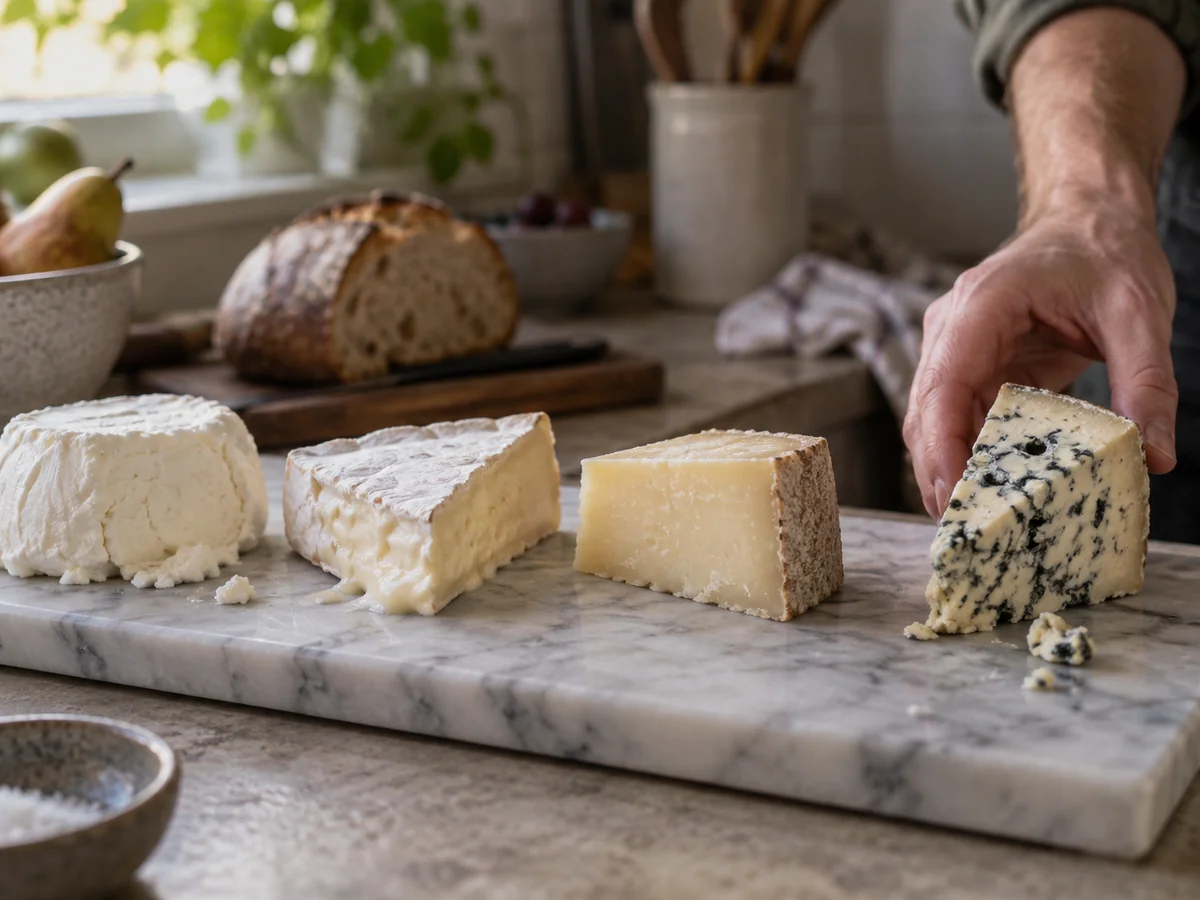
Take the cheese out of the fridge 30 to 60 minutes before serving. Cold cheese tastes muted and waxy, in exactly the same way cold wine does. This matters more than any pairing decision on this page.
Do not over chill the white. Fifteen minutes out of the fridge lets its character show.
Chill the red slightly. Fifteen minutes in the fridge, as always.
Serve from mild to strong. Start with fresh cheeses and finish with blue, so nothing gets overwhelmed by what came before.
Which wine suits your board?
Whether you will love Riesling with cheese or prefer a light red depends on your palate. Our free quiz sorts that out in 60 seconds using seven questions about everyday tastes, no wine words required.
FAQ
What wine goes best with cheese?
Off dry Riesling pairs successfully with more cheeses than any other single wine, because its acidity cuts the fat and its slight sweetness handles the salt. Sparkling wine is a very close second.
Does red wine go with cheese?
Sometimes, and less often than tradition suggests. Tannic reds clash with fresh, soft and very salty cheeses. Low tannin reds like Pinot Noir and Grenache work broadly, and bold reds suit hard aged cheeses like aged cheddar and aged Gouda.
What wine goes with a cheese board?
Off dry Riesling or a dry sparkling wine if you are pouring one bottle. If you can pour two, offer one crisp white or sparkling plus one light red so guests can choose.
What wine goes with blue cheese?
A sweet wine. Port with Stilton and Sauternes with Roquefort are the classics, and a sweet Riesling works at a much lower price. The contrast between salt and sweetness is one of the great pairings in food.
What wine goes with brie?
Champagne or another dry sparkling wine is the best choice, since the bubbles cut through the cream. Chardonnay works well, and a light Pinot Noir is a good red option.
What wine goes with goat cheese?
Sauvignon Blanc, and specifically Sancerre if you want the textbook version. Both the cheese and the wine come from the Loire, and the herbal, citrusy wine mirrors the cheese’s tang perfectly.
Should cheese be served cold?
No. Take it out of the fridge 30 to 60 minutes before serving. Cold mutes flavor and texture in cheese just as it does in wine, and this single step improves a cheese board more than any pairing choice.
The short version
Match intensity, use acidity against fat, and let sweetness meet salt. White wine works with more cheeses than red, off dry Riesling is the most versatile single bottle, and blue cheese with something sweet is the pairing worth trying once so you understand what all the fuss is about.
Want the full system for everything else on your table? Our food and wine pairing guide has the three rules and a cheat table for 20 everyday dishes.

Please drink responsibly. This site is intended for adults 21 and over.