This page contains affiliate links. We may earn a commission if you buy through them, at no cost to you. It never changes our picks. Full disclosure.
Buying wine for someone else is guesswork dressed up as generosity. You know they like wine. You do not know whether they like it bone dry or a little sweet, light or heavy, familiar or strange. So you pick by label, or by price, and hope.
There is a better way in, and it has nothing to do with wine knowledge. It has to do with knowing the person.
Quick answer: Work out which of eight taste types your recipient is, then buy for that type. Someone who drinks black coffee and eats dark chocolate wants a bold red. Someone who orders a milky latte and likes fruity sweets wants an off dry white. Match the person, not the occasion, and the bottle almost picks itself.
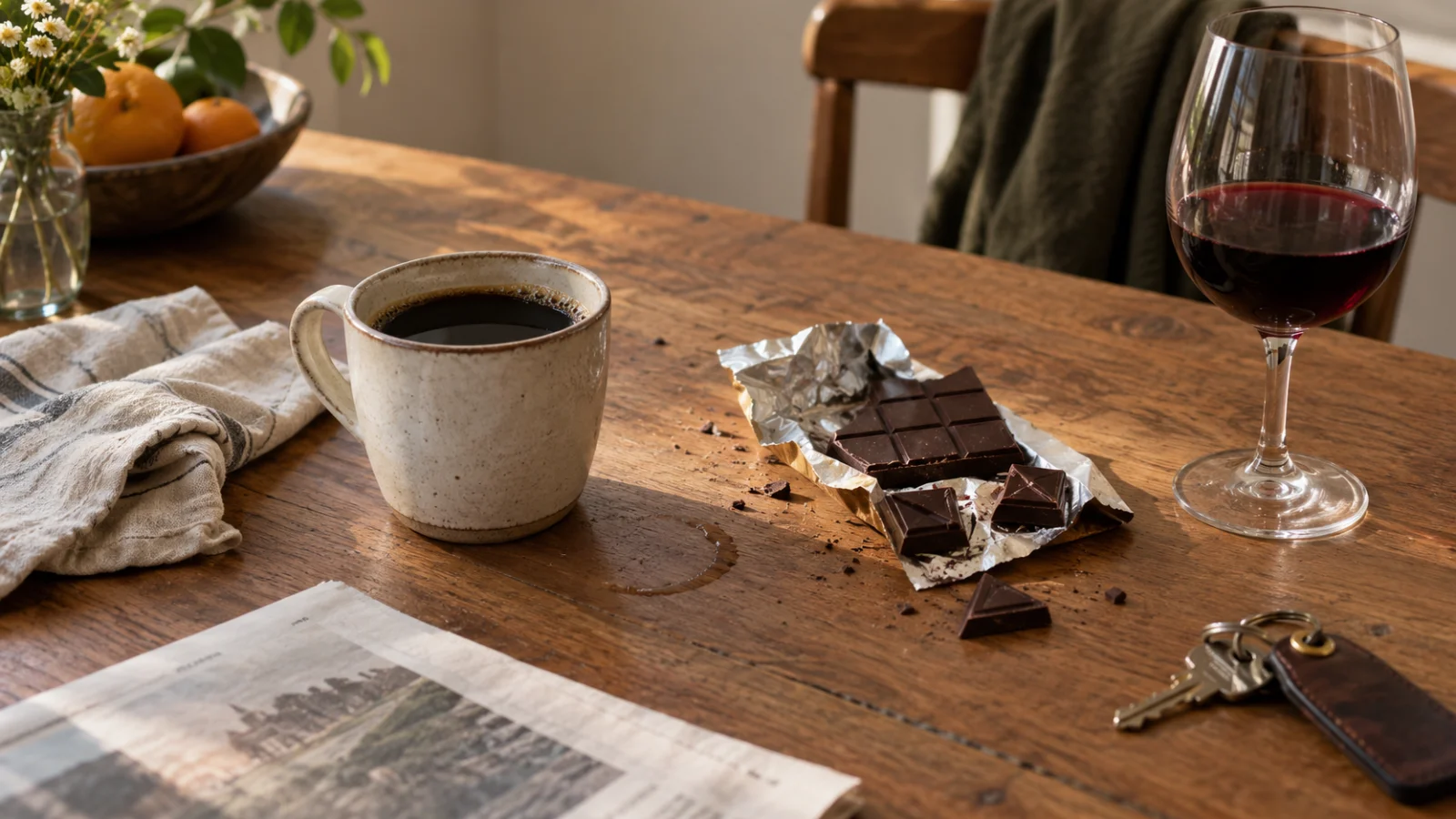
The eight taste types at a glance
| If they are | Buy them | Tell from |
|---|---|---|
| The Bold Explorer | Full bodied reds: Malbec, Zinfandel, Syrah | Black coffee, dark chocolate, steak |
| The Smooth Classic | Medium reds: Merlot, Grenache, riper Pinot Noir | Reliable orders, dislikes anything harsh |
| The Elegant Minimalist | Light reds and structured whites: Pinot Noir, Chablis, Gamay | Buys less but better, quietly particular |
| The Crisp Refresher | Zesty whites: Sauvignon Blanc, Albariño, Picpoul | Loves citrus, seafood, cold drinks |
| The Golden Comfort | Rich whites: oaked Chardonnay, Viognier, white Rioja | Butter, cream, roast chicken, comfort food |
| The Sweet Spot | Off dry and aromatic: Riesling, Moscato, Gewürztraminer | Sweet coffee, fruity desserts, spicy food |
| The Celebration Seeker | Sparkling: Cava, Crémant, Champagne | Opens bubbles on a Tuesday |
| The Rosé All-Rounder | Dry rosé: Provence, Spanish Rosado | Flexible, sociable, hates fuss |
The Bold Explorer
How you know: black coffee, dark chocolate, the spiciest thing on the menu. They like intensity and they are not shy about it.
Give them a full bodied red with grip and dark fruit. Malbec is the friendliest way in, Zinfandel is the most exuberant, Syrah is the most interesting. Buy one step above what they would spend on themselves, because this is a palate that notices concentration.
The honest drawback: big reds are the easiest type to overshoot. A very tannic wine, meaning one that leaves your mouth feeling dry and grippy, can taste harsh on its own. If they will drink it without food, stay on the plusher side.
Read The Bold Explorer profile →
The Smooth Classic
How you know: they order the same thing because it works, and they wince at anything bitter or sharp.
Give them a medium bodied red with soft edges. Merlot is the obvious one and deservedly so. Grenache brings warmth and red berries. A riper Pinot Noir from California or Chile gives silk without weight.
The honest drawback: this is the safest of the eight types, which means a gift here is unlikely to surprise anyone. If you want the bottle to be a talking point, this is not the profile for it. Reliability is the whole point.
The Elegant Minimalist
How you know: owns few things, all good. Notices details without announcing them.
Give them something restrained rather than powerful. Pinot Noir from a cooler place, a Chablis, which is Chardonnay grown in a cold corner of Burgundy and tastes of lemon and stone rather than butter, or a Gamay from Beaujolais.
The honest drawback: this is the profile where price and quality diverge most sharply. Cheap Pinot Noir and cheap Chablis are genuinely disappointing in a way that cheap Malbec is not. Either spend properly here or choose a different grape.
The Crisp Refresher
How you know: lemon in the water, seafood on the menu, everything served cold.
Give them a zesty white with real acidity. Sauvignon Blanc is the household name. Albariño from northwest Spain is the one they probably have not tried and will thank you for. Picpoul is the bargain of the category. Browse Albariño at Wine.com
The honest drawback: these wines are best young and fresh, so they are a poor choice if the bottle will sit in a cupboard for two years waiting for an occasion. Give it with the expectation that it gets opened soon.
The Golden Comfort
How you know: butter, cream, roast chicken, anything that feels like a warm room.
Give them a rich white. Oaked Chardonnay is the classic and it is fashionable to sneer at it, which is silly. Viognier brings apricot and perfume. White Rioja is the sleeper, aged and nutty and unlike anything else at the price.
The honest drawback: heavily oaked whites divide people sharply, and some drinkers who loved them five years ago have moved on. If you are not certain, a lightly oaked bottle is the safer version of this gift.
The Sweet Spot
How you know: sugar in the coffee, fruity desserts, and quite possibly a habit of apologising for it.
Give them something off dry and aromatic, meaning a wine with a touch of sweetness and a lot of perfume. German Riesling, Moscato d’Asti, Gewürztraminer. These are not training wheels. They are among the most technically demanding wines in the world to make well, and they beat most dry whites alongside anything spicy.
The honest drawback: the recipient may have absorbed the idea that liking sweetness is a beginner’s failing, and open your gift feeling caught out. Worth a line in the card saying you chose it on purpose. Our guide to Riesling sweetness is a good thing to send alongside it.
The Celebration Seeker
How you know: they open something with bubbles on an ordinary Tuesday, and they are right to.
Give them sparkling wine that is not Prosecco, because they have had plenty of Prosecco. Cava and Crémant are both made by the same bottle fermenting method as Champagne, which is where the fine bubbles and the bready depth come from, at a fraction of the price. Browse Crémant at Wine.com
The honest drawback: sparkling wine carries an occasion with it, which means it can sit unopened for months while the recipient waits for one. If they are the sort to save things, say plainly that it is for a Tuesday. Our sparkling wine guide explains the sweetness labels, which trip up more people than anything else on a bubbles label.
The Rosé All-Rounder
How you know: easy company, hates fuss, happy with almost anything as long as it is not heavy.
Give them a dry rosé. Provence is the benchmark, pale and mineral. Spanish Rosado is deeper and better with food. Both are dry, despite the pink colour’s reputation, which comes from sweet White Zinfandel rather than from rosé as a category.
The honest drawback: rosé is strongly seasonal in most people’s heads, so a bottle given in December may feel out of step even though it drinks beautifully in winter. Pair it with something that carries it, or wait for spring. The rosé guide has more on which styles suit which food.
Read The Rosé All-Rounder profile →
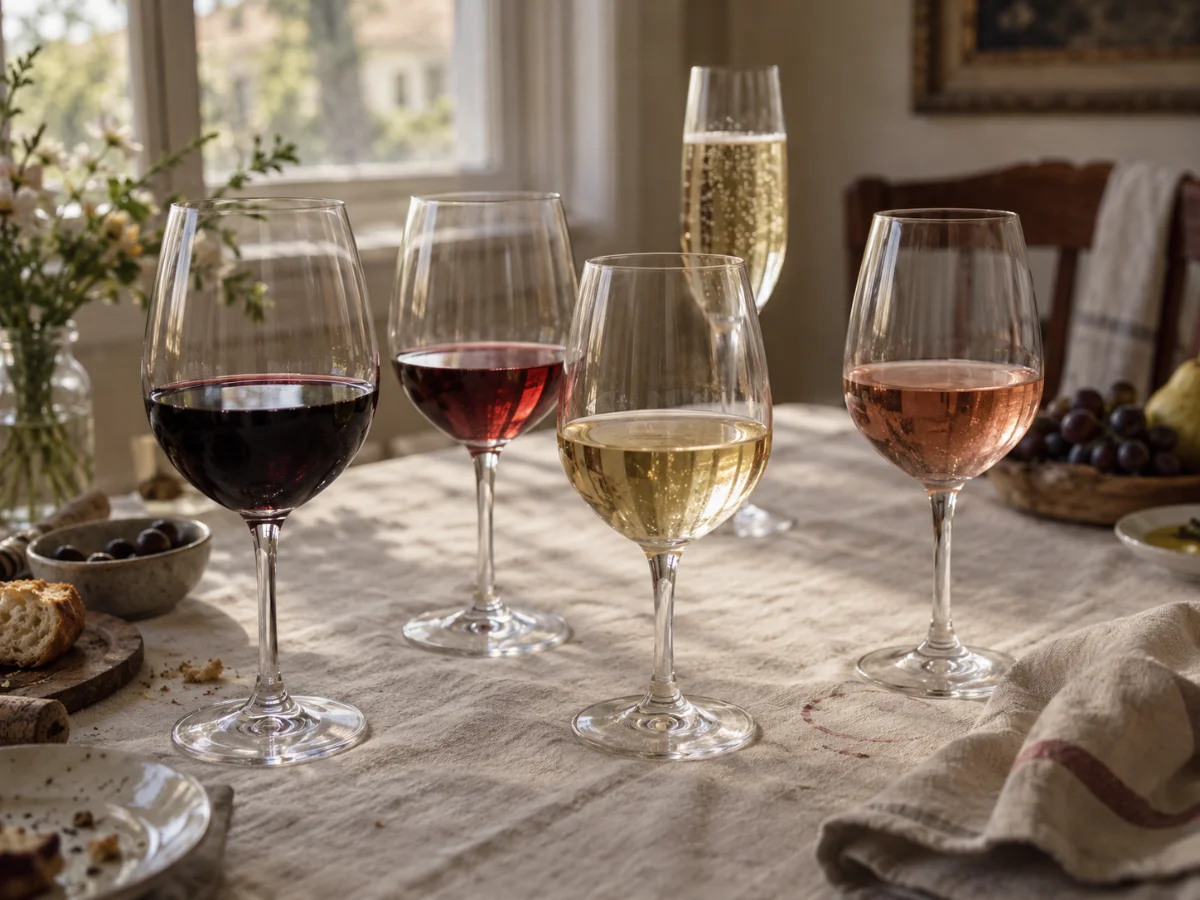
How to work out their type without asking
You do not need them to fill anything in. You need to remember three things about them.
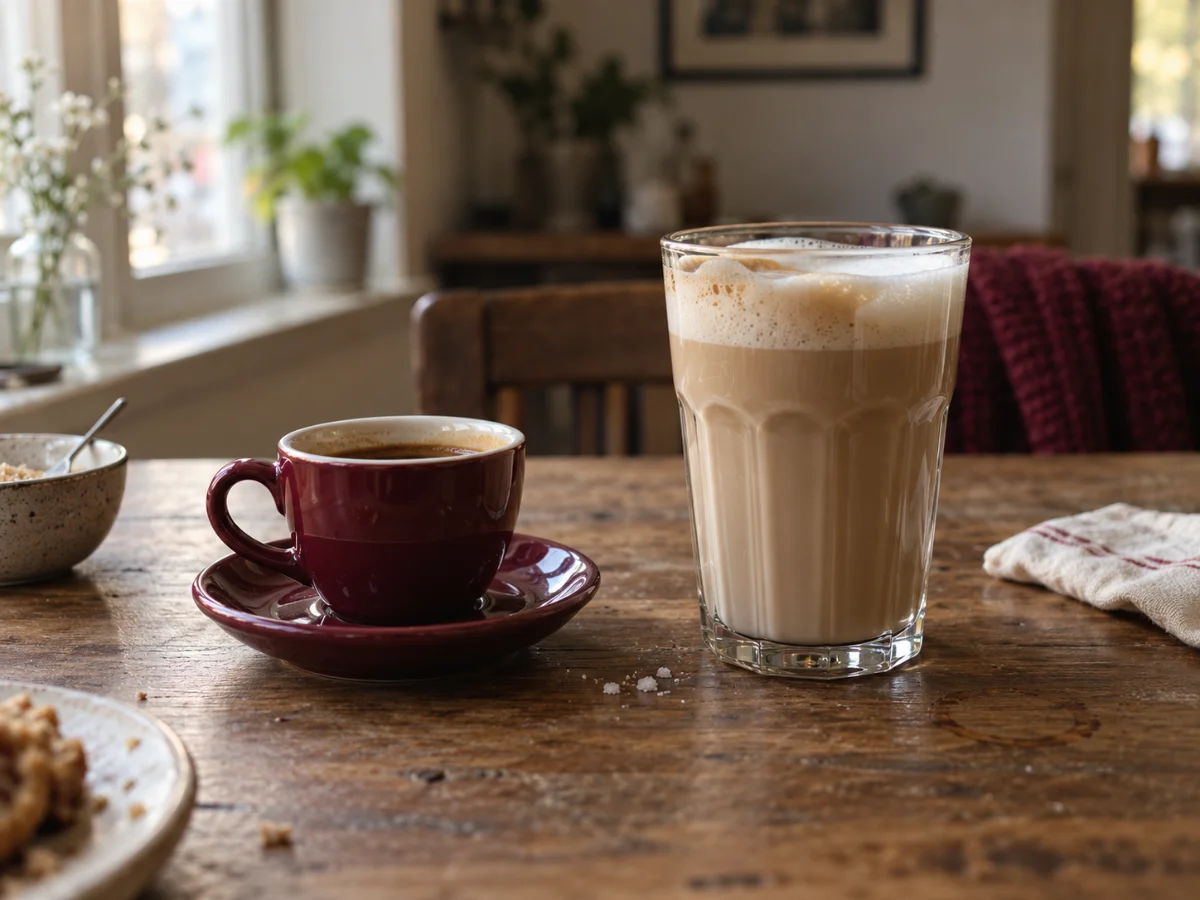
How they take coffee. Black and strong points to bold reds. Milky and sweet points to softer or off dry wines. This one correlation does more work than any other.
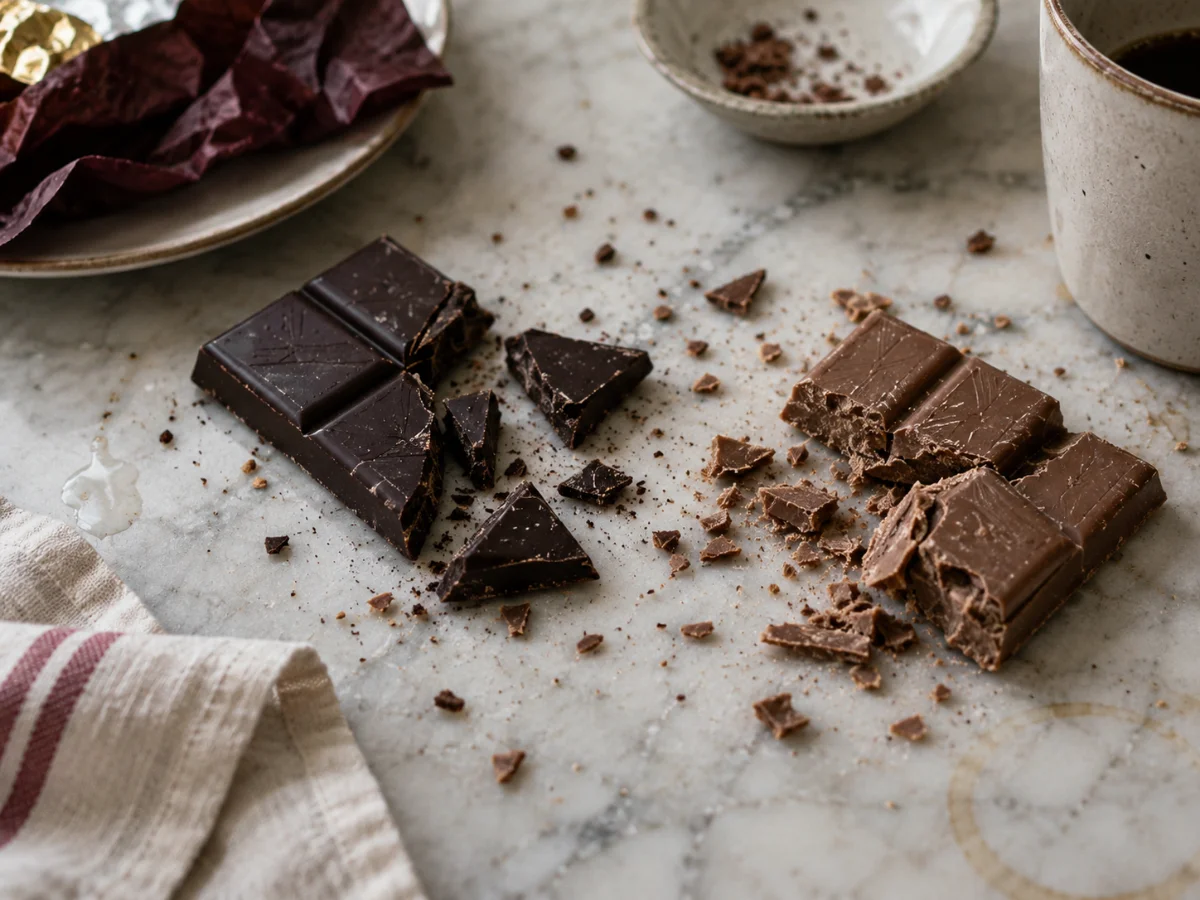
What chocolate they reach for. Dark chocolate and full bodied red wine draw on the same tolerance for bitterness. Milk and white chocolate point the other way.
What they order at a restaurant. Steak and rich pasta point red. Seafood and salads point crisp and white. Anything spicy points to off dry.
Three data points, and you can place almost anyone within one profile of correct.
Or you can let the quiz do it. Seven questions about coffee, chocolate and dinner, and it names the type outright. You can take it on their behalf if you know their habits well enough, which for most people you buying a gift, you do.
When a club beats a bottle
If you genuinely cannot place someone, or they live far away, a wine club solves the problem differently. Instead of one guess it makes a series of them, and the good ones adjust as the recipient rates what they drink.
Two rules make this a gift rather than an obligation. Buy a fixed number of shipments rather than an open subscription, so nothing renews on their card. And check the club ships to their state before you buy, because alcohol shipping rules vary and this is what catches people out.
Our best wine clubs guide compares them by who they suit, with the honest drawback of each.
The honest drawback: a club is a bigger commitment to explain than a bottle, and some recipients find a subscription faintly like homework. For someone who just wanted a nice thing to open, one good bottle is the better gift.
And for gifts that are not bottles at all, glassware, preservation tools, experiences, our best wine gifts guide sorts them by recipient.
FAQ
How do I know what wine someone likes?
Ask yourself how they take their coffee, which chocolate they reach for, and what they order at a restaurant. Black coffee and dark chocolate point to bold reds. Milky coffee and fruity sweets point to softer or slightly sweet wines. Those three habits place most people accurately.
Is it rude to give someone sweet wine?
No. Sweetness is a style, not a skill level, and off dry wines like German Riesling are among the hardest in the world to make well. The only risk is that the recipient has absorbed the opposite idea, so say in the card that you chose it deliberately.
What is a safe wine gift if I know nothing about the person?
A traditional method sparkling wine such as Cava or Crémant. It suits almost every palate, it works as an aperitif or with food, and very few people buy it for themselves. It is the closest thing to a universal wine gift.
Should I spend more on a gift bottle than I would on myself?
Slightly, but not dramatically. A bottle at roughly twice your usual spend reads as generous. Far above that can feel intimidating rather than kind, and an expensive bottle given to a casual drinker often sits unopened for years.
Is a wine club a good gift?
Yes, if you buy a fixed number of shipments rather than an open ended subscription that renews on their card. Check the club ships to their state first. Clubs suit people you cannot place, and people far enough away that shipping is easier than carrying.
What if I buy the wrong type?
Very little is lost. Wine is shared, opened and forgotten more often than it is judged. Buying by taste type raises your odds considerably, but a thoughtful wrong bottle still lands better than a generic right one.
The short version
You do not need to know wine to buy wine well. You need to know one person, and to translate what you already know about them into a grape.
Coffee, chocolate, dinner. Three habits, eight types, and a much better chance that the bottle gets opened rather than shelved.

Please drink responsibly. This site is intended for adults 21 and over.